


Dust Collectors for Silos: Types, Sizing and Filter Media
Every powder and grain silo breathes. Material enters, air must leave — and the air leaving a cement, fly ash, flour or grain silo carries dust that regulations, equipment warranties and your neighbors will not tolerate. The bin vent dust collector on top of a silo looks like a minor accessory; in reality it is a piece of process equipment whose sizing and filter-media decisions determine emissions compliance, filter life and even silo structural safety. This article explains how to get those decisions right.
Why Every Silo Needs Engineered Dust Collection
Uncontrolled dust from cement handling is not a cosmetic issue: measurements around uncontrolled plants show ambient PM10 concentrations in the hundreds of micrograms per cubic meter, while properly controlled facilities cut annual emissions from uncontrolled silo filling by well over 99%. Regulation follows the science — air permits for concrete and bulk handling operations universally require fabric or cartridge filtration on silo vents, with visible emissions alone triggering enforcement. Beyond compliance, dust lost at the vent is product lost, and dust settled on plant equipment shortens bearing and machinery life.
The Three Collector Types and Where Each Fits
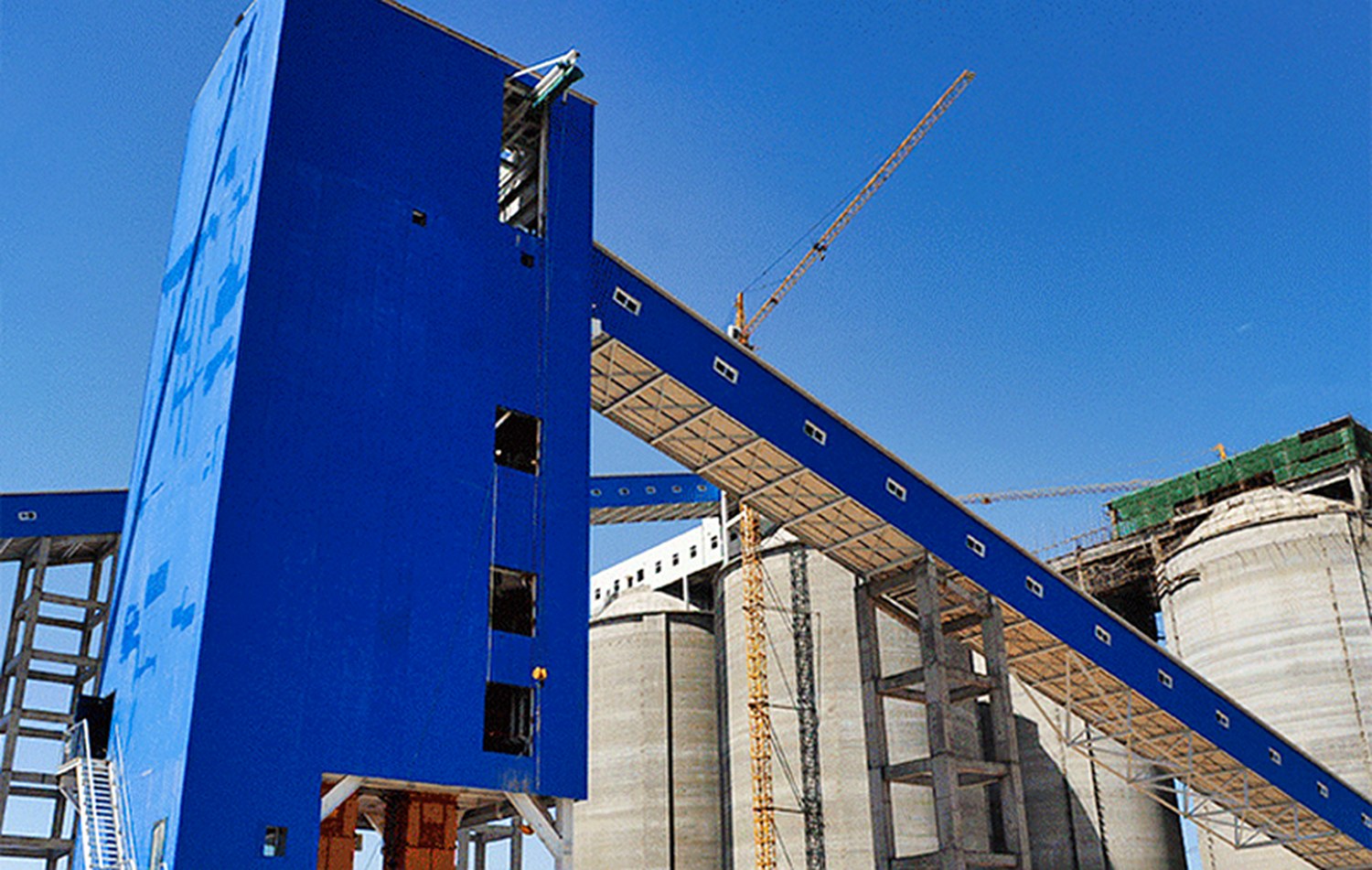
1. Pulse-jet fabric (bag) filters are the workhorse of silo venting. Filter bags are cleaned online by compressed-air pulses, allowing continuous operation at higher air-to-cloth ratios. For cement, fly ash and similar fine powders, this is the default choice.
2. Cartridge collectors pack more filter area into a smaller housing and suit fine ambient dust with lower overall airflow; they trade compactness for more delicate maintenance on material that loads media aggressively.
3. Cyclone pre-separators remove the coarse fraction centrifugally before the fabric filter. They never stand alone for silo venting (fines pass through), but as a first stage they slash the load on downstream filters, especially where conveying air carries high dust concentrations.
Sizing: Start from the Displaced Air
A bin vent must handle the peak air volume displaced during the fastest filling operation, plus safety margin — not the average. The engineering sequence for a powder silo:
1. Compute peak displacement: pneumatic conveying air volume at maximum transfer rate, plus fluidizing air where aeration runs during filling. For a large cement silo receiving 100 t/h, conveying air on the order of 3,000 m³/h plus several hundred m³/h of aeration is a realistic baseline.
2. Convert to filter area at a conservative air-to-cloth ratio. For cement-class fine dust, keep the ratio at or below about 1.2 m³/h per m² of media; a 1.5 ratio shows bag blinding within months in field experience, while dropping a heavily loaded plant from 2.5 to 1.0 extended filter element life from 8 months to 36 months and cut pressure drop by 40%.
3. Add 15–20% media margin for aging, and oversize further if rail-car unloading is in the design — rail unloading runs three to four times faster than truck unloading and demands proportionally more vent capacity.
4. Verify the hopper angle below the collector: dust discharge hoppers need walls steeper than the collected material's angle of repose — for cement and fly ash, 60° or more — with an airlock rotary valve so the collector does not draw in moist ambient air at the discharge point.
Filter Media: Where Cement Dust Kills Cheap Bags
Cement dust particles in the 1–50 µm range are hygroscopic, and standard polyester felt bags will blind and cake in weeks in a humid climate. The proven specification is PTFE-membrane-coated polyester felt at 550–600 g/m²: the membrane sheds the dust during pulse cleaning while the felt provides mechanical strength. Pulse-jet settings matter as much as the media — pulse pressure around 6–7 bar, initiated when pressure differential reaches roughly 800–1,200 Pa, with pulse durations of 100–150 ms (pulses longer than about 200 ms drive dust deeper into the media rather than cleaning it). And the single most under-appreciated media factor: the pulse air itself must be dry. Compressed air with moisture content will cake filters from the inside — a bag life shortener measured in weeks — while properly dried pulse air extends bag life from months to years.
Maintenance: Read the Pressure Differential
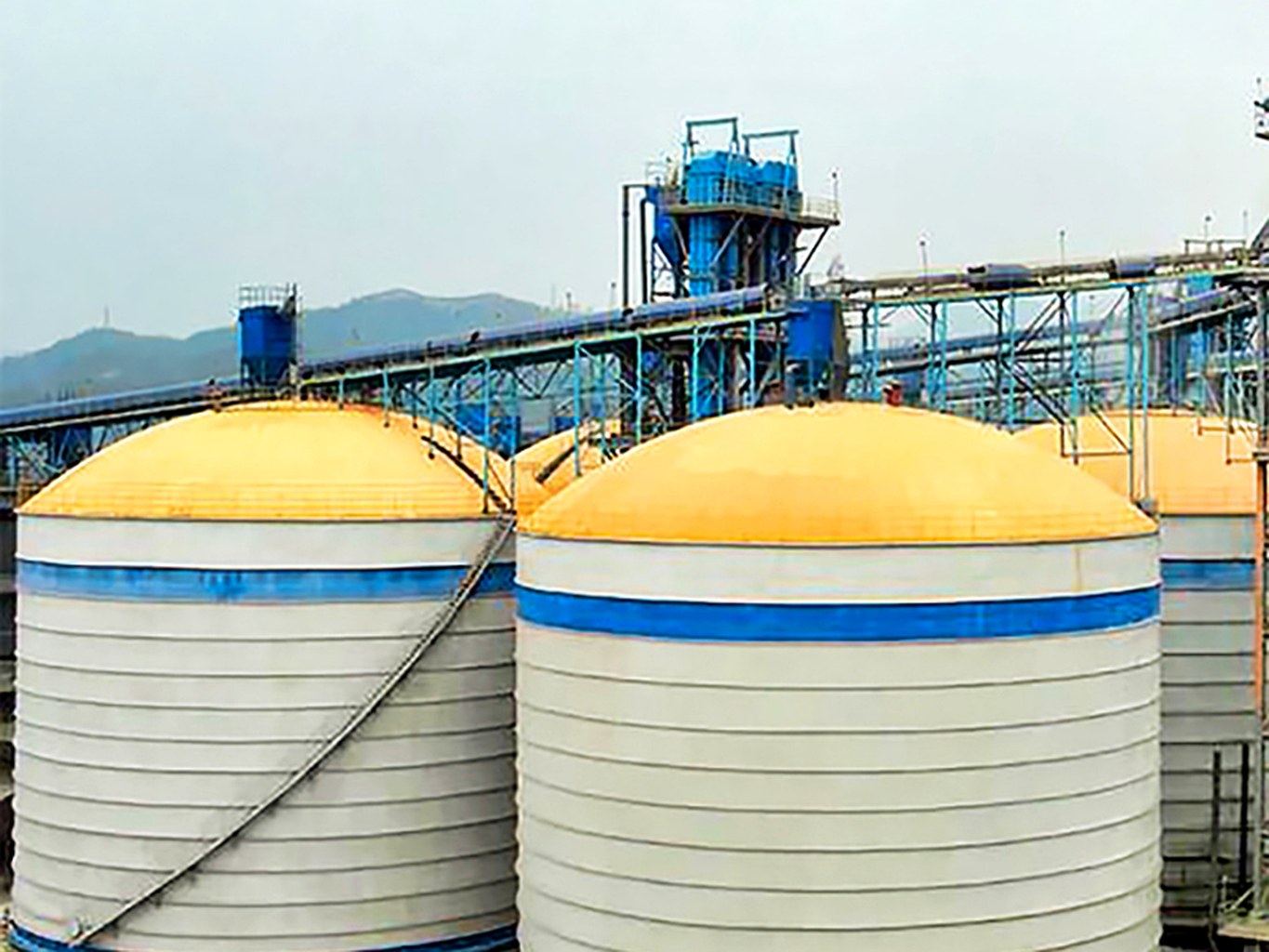
Professional practice is to trend the collector's pressure differential and maintain on trend change, not on a calendar and not on visible dust (which means failure already). Routine items: verify pulse valve operation, check the airlock seal, inspect bags or cartridges for leaks, and confirm the hopper is actually emptying. The complete protection chain around a silo also matters: high-level interlocks to stop filling, pressure/vacuum relief on the silo roof, and the collector — no single device alone — as detailed in the discharge-system context of our silo discharge article. And where dust is combustible, collectors fall under the same explosion-safety discipline as the silo itself — grounding, and never combining different combustible dusts in one system — principles introduced in our pneumatic conveying guide.
When Things Go Wrong: Reading the Collector's Signals
A dust collector communicates through exactly three channels, and reading them is a learned skill. Pressure differential is the primary vital sign: a steady rise over weeks means media loading toward replacement or cleaning failure; a sudden drop means a blown bag or a torn seal letting air bypass the media — both call for immediate attention, since bypass means emissions. Visible dust at the outlet is the failure already public: by the time a plume shows, filter integrity is gone, and finding which element failed becomes an inspection exercise best done before the regulator does it for you. Pulse-valve behavior — the audible rhythm of cleaning — tells its own story: irregular firing points to timer or solenoid trouble, and silent intervals during high-dust filling mean the control logic is not tracking real conditions. Experienced plants log differential daily and treat trend changes as maintenance triggers, which is precisely how the best-documented installations achieved multi-year bag life while their calendar-maintained peers replaced media seasonally.
One integration note completes the picture: the collector is part of a protection chain that includes silo high-level interlocks, pressure/vacuum relief, and filling discipline. A collector can be perfect and still be defeated by a driver who keeps blowing after the high-level alarm — which is why the interlock, not the procedure laminated at the ladder, is what actually stops the tank truck.
Collector Placement and System Integration
Where and how the collector connects shapes its performance as much as its size. On silo venting duty, the collector mounts at the roof, close-coupled to the displaced-air path so dust-laden air does not travel through long duct runs first; every meter of horizontal duct is settling surface and pressure loss. Ductwork that does exist must respect air-velocity discipline — transport velocities kept high enough to prevent dust settling (a common root cause of duct fires and blockage is undersized velocity), bends built long-radius with cleanout access, and the network laid out so it can be inspected and cleared section by section. Explosion-safety integration applies wherever the dust is combustible: collectors grounded and bonded, venting or suppression to recognized practice, inlet spark interception where upstream processes can emit embers, and strict prohibition on combining different combustible dusts in one system. Finally, the discharge side: an airlock rotary valve under the collector hopper maintains the negative pressure that keeps the system working while transferring captured dust onward — a worn airlock admits moist air, cakes the hopper, and quietly dismantles the whole installation's performance. Each of these integration points is inexpensive at design stage and expensive as retrofit; procurement that specifies them explicitly avoids the silent erosion of collector performance that plagues casually engineered plants.
FAQ
Can I size a bin vent from the silo volume? No — size from peak displacement airflow during filling, especially pneumatic filling. Silo volume is irrelevant; transfer rate and conveying air volume are everything.
Why do my filter bags keep failing after a few months? The usual suspects in order: air-to-cloth ratio too high, humid pulse air, membrane media substituted with plain felt, or an airlock leaking moist air into the hopper. Trending pressure differential identifies which.
Is a cartridge collector acceptable for cement? It can be, at modest airflow with disciplined maintenance — but pulse-jet bag filtration with PTFE membrane media is the safer default for cement and fly ash service.