


Pneumatic Conveying for Cement and Fly Ash: Dense Phase vs Dilute Phase
Pneumatic conveying is the artery of every cement plant and fly ash handling system — powder enters storage, leaves storage and reaches the loading point through the same class of pipe. It is also one of the most commonly mis-sized systems in bulk handling: the default choice in too many projects is the simplest one, and the material pays the difference in worn bends, spent energy and dust. This article compares the three conveying regimes in the numbers that matter, and states when each one is actually the right answer.
The stakes are easy to state. Fly ash sits around Mohs 6–7 in hardness — the same class as quartz — and a conveying system selected without regard to that hardness can wear through carbon steel pipe in 18 to 24 months. Mode selection is not a detail of the specification; it is the specification.
Dilute Phase: Simple, Fast, Hard on Everything
Dilute phase conveying suspends the material in a high-velocity airstream. Typical operating parameters run at 15–30 m/s of air velocity and 0.5–1.0 bar of pressure, with a solids-loading ratio of 5–15 kg of material per kg of air and energy consumption in the 1.5–3.0 kWh per tonne per 100 m class.
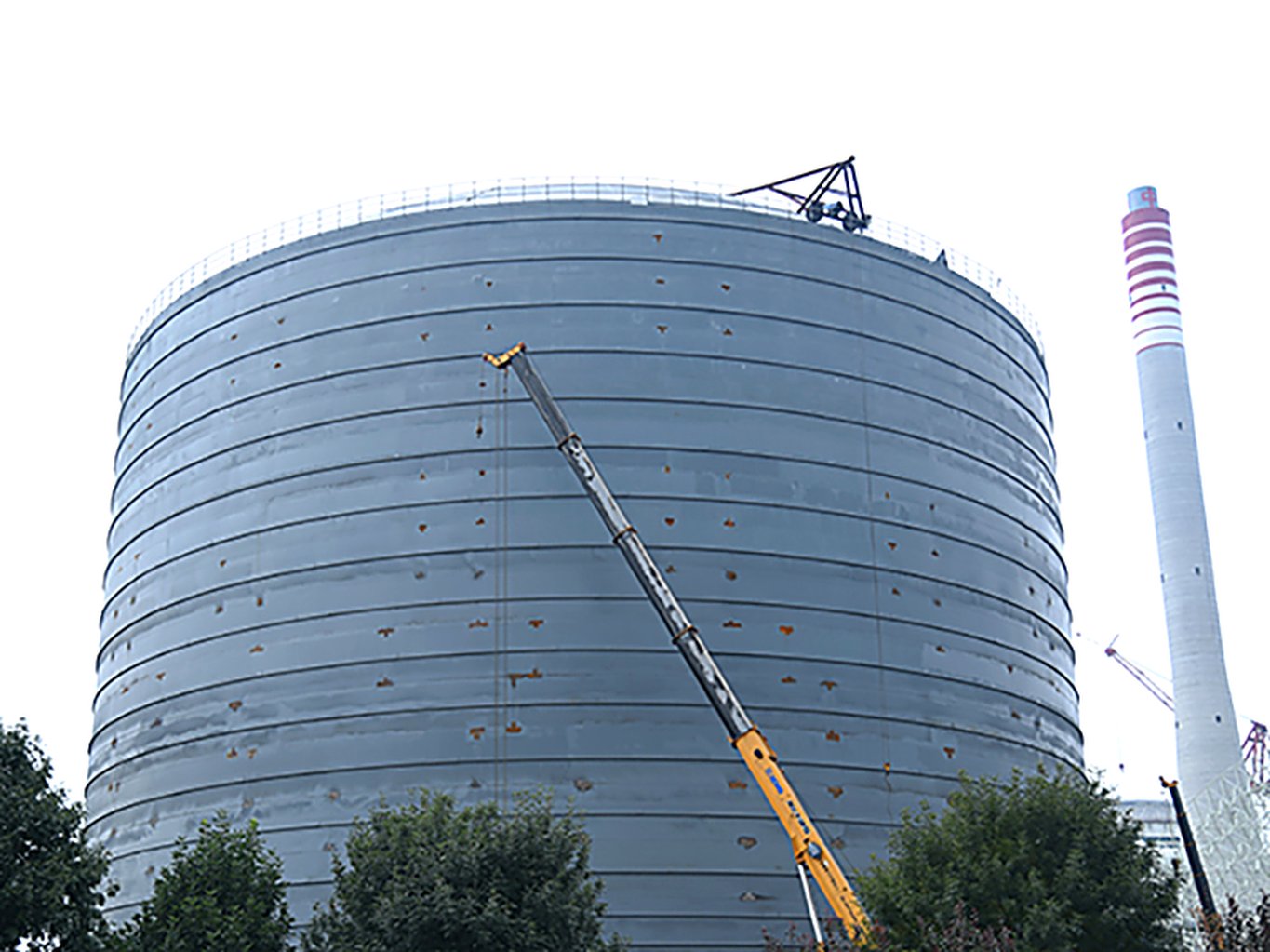
Its virtues are real: the hardware is simple, the material stays fluid and responsive, and the system tolerates a wide range of materials without much tuning. Its costs are equally real — the same velocity that keeps particles suspended sandblasts every bend and elbow in the line, and the air mover works hardest exactly where the material concentration is highest. For abrasive fine powders like cement and fly ash, dilute phase is the most expensive way to move material that still gets chosen most often. For the storage these lines feed, see our fly ash silo page.
Dense Phase: Slow, Heavy, Efficient
Dense phase conveying moves material in slugs and strands instead of suspension — the line runs nearly full of material, pushed by compressed air at much lower velocity. The typical window is 3–8 m/s at 1.5–4.0 bar, with solids-loading ratios of 15–50 and energy consumption of roughly 0.8–1.5 kWh per tonne per 100 m.
The payoff comes from the physics: at a third of the velocity, particles strike the pipe wall a fraction as often and with far less energy, and less air moved means less power drawn. Dense phase systems typically use around 40% less energy than dilute phase for the same duty, with pipe wear reduced by roughly 60%. For transfer distances beyond about 100 meters, dense phase is the natural default — the longer the line, the more the efficiency compounds.
Plug Flow: The Gentle Extreme of Dense Phase
At the far end of the dense-phase family sits plug flow, where the material moves as discrete plugs separated by air gaps, conveyed at 2–6 m/s and 1.5–5.0 bar with solids-loading ratios of 20–80 and the lowest energy class of all — around 0.5–1.0 kWh per tonne per 100 m. The near-absence of particle velocity makes it the choice for fragile products that degrade, dust or lose value when they collide: pellets, granules, spray-dried powders. For cement and fly ash it is rarely necessary on fragility grounds, but where a plant conveys mixed products through shared equipment, plug-flow capability is the most versatile single system to own.
Side-by-Side Comparison
| Parameter | Dilute phase | Dense phase | Plug flow |
|---|---|---|---|
| Air velocity | 15–30 m/s | 3–8 m/s | 2–6 m/s |
| Operating pressure | 0.5–1.0 bar | 1.5–4.0 bar | 1.5–5.0 bar |
| Solids-loading ratio | 5–15 | 15–50 | 20–80 |
| Energy use (per t/100 m) | 1.5–3.0 kWh | 0.8–1.5 kWh | 0.5–1.0 kWh |
| Pipe wear | Highest | ~60% lower | Lowest |
| Product stress | High (impact) | Moderate | Minimal |
| Fits best | Short lines, low duty, robust materials | Cement, fly ash, long distances | Fragile or premixed products |
Practical Selection Rules
Industry experience sums the matter up bluntly: dilute phase is the default choice, and almost never the optimal one. For silo systems handling cement, fly ash and similar fine mineral powders, dense phase or plug flow almost always lowers the operating cost — and the extra engineering effort typically pays back within one to two years in saved power and un-worn pipe. The selection discipline that matters:
1. Match the regime to the material first: very coarse, sticky, wet or friable materials resist pneumatic conveying altogether — mechanical conveying is the honest answer for them, and no mode selection fixes a material that should not be air-borne.
2. Protect the path, not just the mode: even in dense phase, abrasive powders concentrate wear at bends and impact points. Lines beyond roughly 50 meters of abrasive duty justify basalt-lined or Ni-hard fittings at the wear points; straight runs tolerate standard pipe.
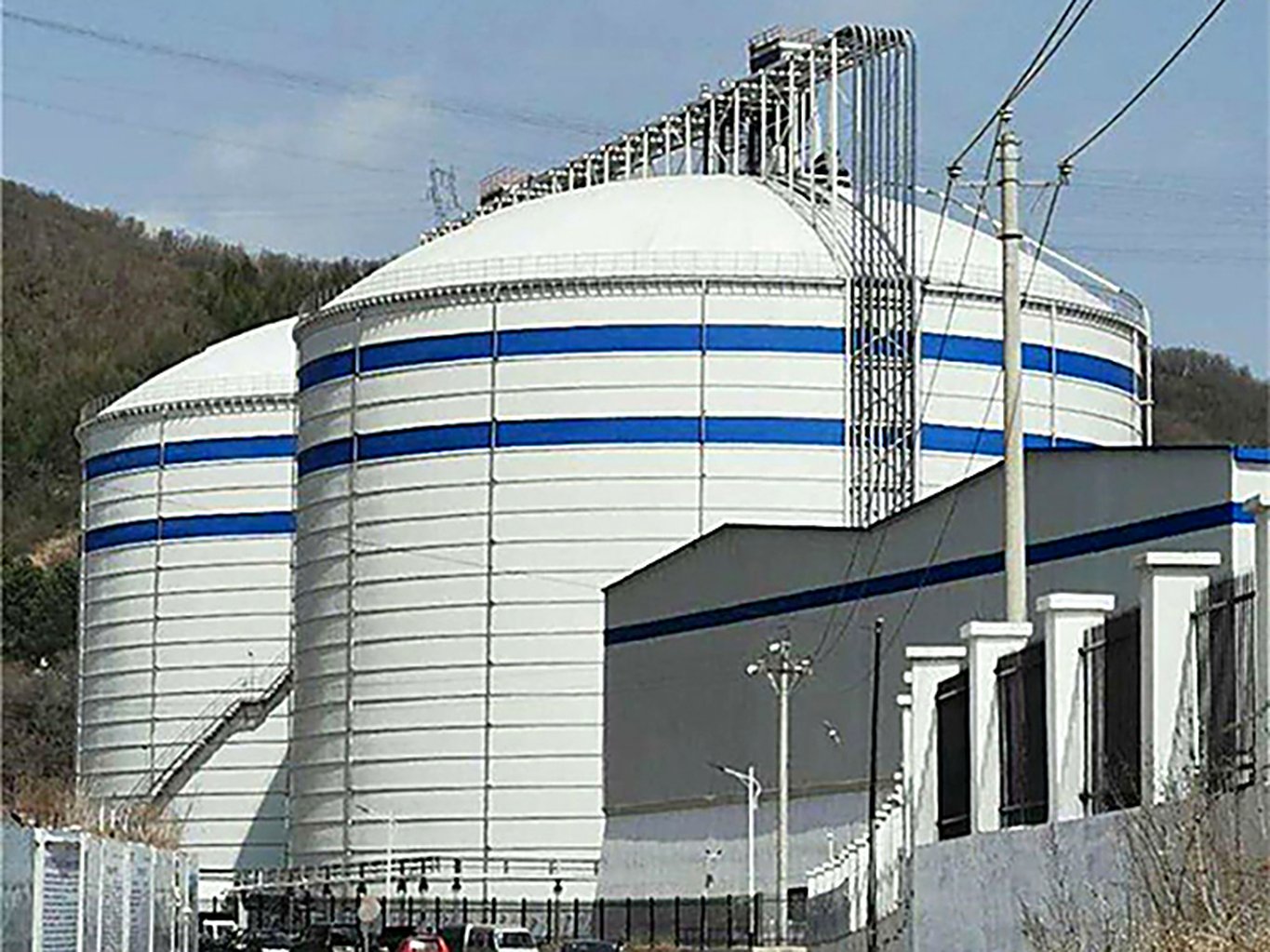
3. Design the system as one piece: the conveying line, the silo entry, the venting filter and the discharge equipment share air and pressure. Systems designed as separate packages fight each other — venting sized for one mode chokes on another. For how the conveying system meets the storage structure, see our steel silo page.
Frequently Asked Questions
Should cement be conveyed in dense phase or dilute phase?
For most duties, dense phase. Cement and fly ash are abrasive fine powders; dense phase moves them at a third of the velocity with roughly 40% less energy and about 60% less pipe wear. Dilute phase remains sensible for short, low-throughput lines where its simplicity outweighs the operating cost.
Why does my conveying pipe keep wearing through at the bends?
Velocity and impact. Every bend turns the suspension and throws particles into the outer wall at full speed — wear concentrates there first. Lower the velocity regime (dense phase), add wear-resistant bend linings such as basalt or Ni-hard at the wear points, and increase bend radius where layout allows.
Which materials should not be pneumatically conveyed?
Materials that are very coarse, sticky, high in moisture or easily degraded by impact. They arch in the feeder, build scale in the line or arrive at the silo as damaged product. For these, mechanical conveying — screws, belts, buckets — is usually the better engineering answer.
Conveying mode, silo venting and discharge engineering are one connected system, and getting them right is what keeps a powder plant clean and quiet. Our company designs and manufactures steel silo systems on German silo-making equipment, with fine-powder storage and environmental design — conveying, dedusting, sealed loadout — as our core territory. Send us your material, throughput and conveying distance, and our engineering team will propose the regime and layout the duty actually calls for.