


Temperature Cables and Moisture Monitoring: Protecting Stored Grain in Steel Silos
Grain in a silo is a living system, and it fails gradually before it fails visibly. Respiration and insects release heat into the grain mass; the heat drives moisture toward the cooler grain above; the wetter grain breathes faster still. Left unread, this loop ends in a spoiled batch. The instruments that break the loop — temperature cables, humidity sensing and carbon dioxide monitoring — cost a fraction of the grain they protect, but only when their readings are understood and acted on. This article explains what each instrument actually tells you.
How a Hotspot Develops
A storage hotspot grows along a predictable arc. It starts with a small biological activity zone warming the grain by roughly 5–10°F above its surroundings; it spreads at about 0.5 to 1.5 feet per day as convection carries warmth and moisture outward; and in an unmanaged silo it can eventually peak in the 130–150°F range, by which point the grain around it is mold-damaged and insect-infested. Molds themselves are the engine of much of this heat — their respiration releases roughly 18 kJ per gram of dry matter consumed.
The purpose of monitoring is to catch the arc at the beginning, when the response is a cooling cycle rather than a salvage operation. For the storage structures these instruments protect, see our grain silo page.
Temperature Cables: Layout That Matches the Silo
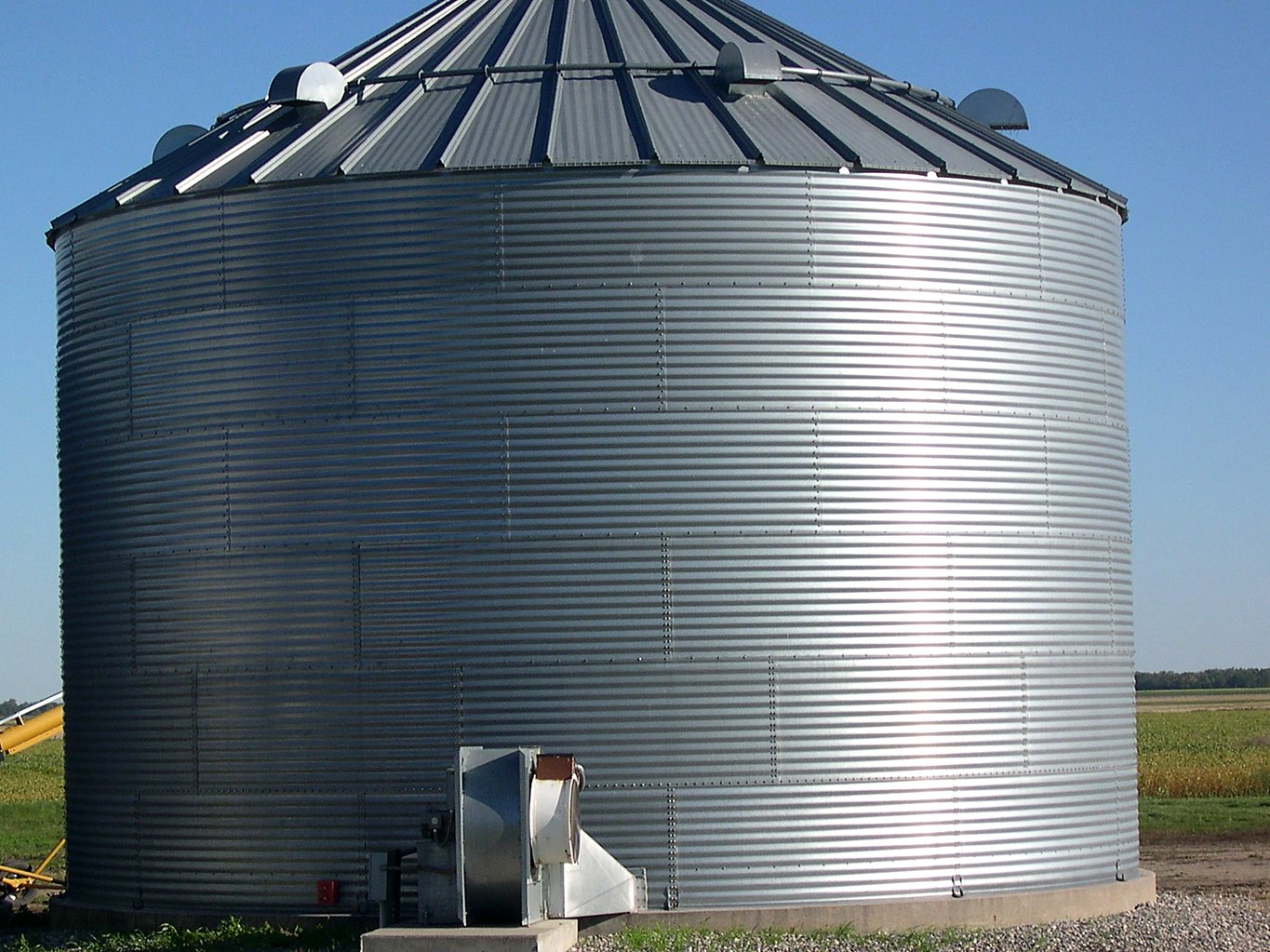
Temperature cables hang vertically through the grain mass, carrying sensors at fixed intervals. The number of cables follows the silo diameter, because a single cable can only read its own column: silos up to about 18 feet across are covered by one cable at the center; 18–27 feet need three; 27–36 feet need five; 36–48 feet need seven; 48–60 feet need nine; and larger silos carry twelve or more. Sensor spacing on the cables runs at 1.5–2 meters horizontally equivalent per cable position and about 1 meter vertically, dense enough that a developing hotspot cannot grow between reading points.
Sensor quality matters less than consistency: thermistor sensors read to about ±0.5°F and thermocouples to about ±2°F — either is adequate when the decision rules are based on changes over time rather than absolute precision. Fiber-optic distributed sensing, which reads continuously along the cable's whole length, is the premium option for large or high-value stores.
Alarm Thresholds That Actually Matter
Raw temperature numbers mean little without decision rules. The ones that carry weight in practice:
1. Grain against environment: grain temperature running 3–5°C above ambient is the first hint of biological activity — warm grain in cool weather has a reason, and the reason needs finding.
2. Gradient between neighbors: a difference of more than about 10°F between adjacent sensors is the signature of an active spoilage hotspot, not a harmless gradient from sun-warmed walls.
3. Rate of change: three to five neighboring sensors each rising about 1°C per day for 48 hours is the classic biological-heating fingerprint — steady, persistent, and different from the diurnal ripple of weather.
4. Absolute alarms: common practice sets alarm limits around 35°C for grain stored at 13–14% moisture and 30°C for grain above 15% — wetter grain has less time in hand at any given temperature.
Moisture: Read It Carefully
Moisture decisions deserve more caution than they usually get. In cold conditions — below about 40°F (4°C) — portable moisture meters read unreliably, and the practical fix is procedural: take a sealed sample, let it warm to room temperature, and only then measure. Readings taken from cold grain send managers chasing phantom moisture, or worse, reassure them wrongly.
Inside the silo, the humidity that matters is at the grain surface and in the headspace, where condensation forms when warm moist air meets a cold roof. Paired with the temperature profile, surface humidity readings tell the operator when a ventilation cycle will dry the grain and when it will do the opposite — ventilating into the wrong weather can add water to the top of the bin.
CO2: The Earliest Warning Available
Carbon dioxide monitoring catches trouble before any thermometer can. Grain respiration and insect activity raise CO2 above the normal 400–600 ppm background of the silo headspace; sustained readings above about 1,200 ppm indicate active deterioration. Because respiration precedes measurable heating, CO2 typically leads temperature-based detection by 3–5 days — and in grain storage, three days is the difference between a ventilation decision and a fumigation contract.
One Monitoring System, Not Three Instruments
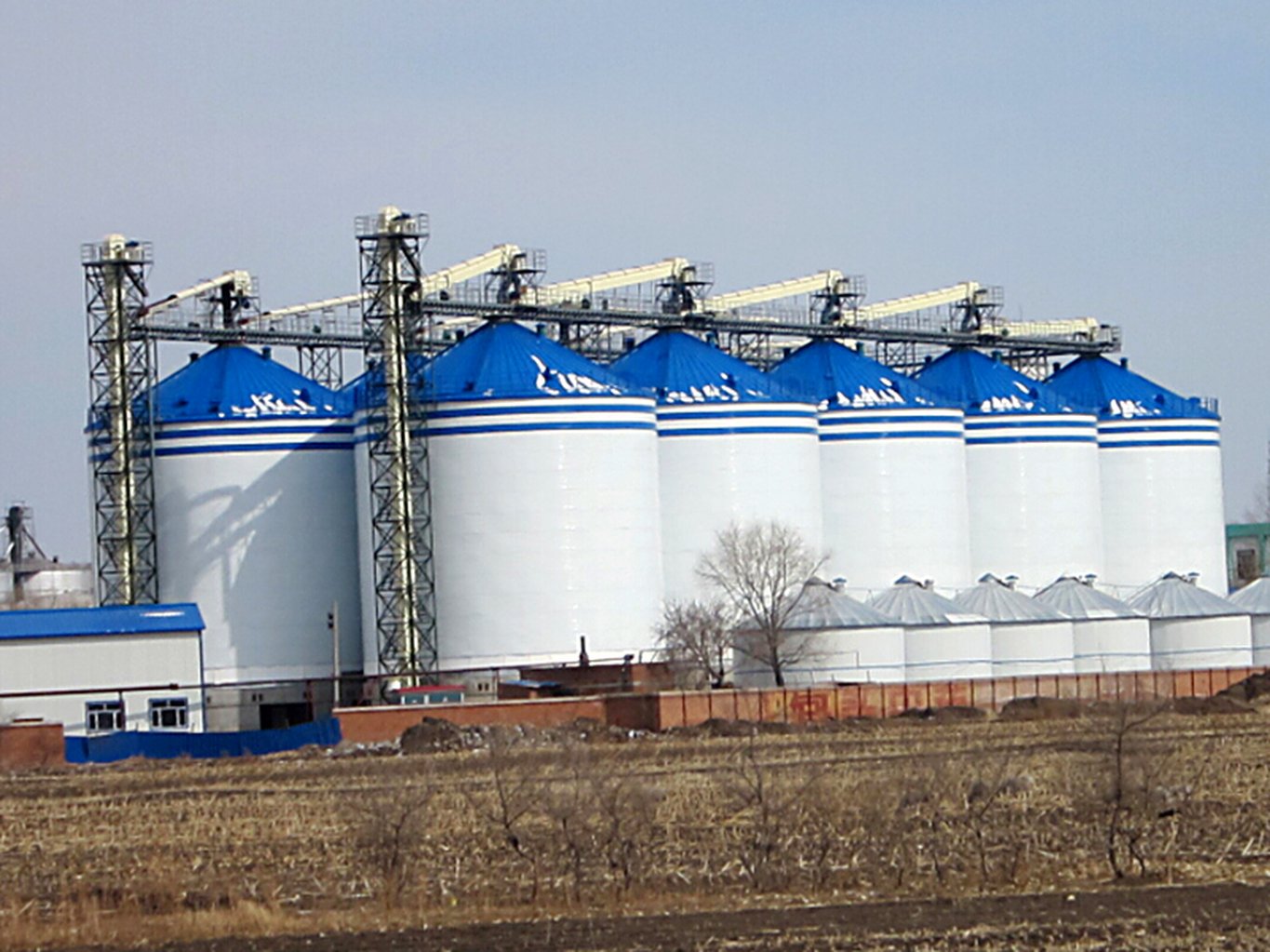
The tools compound when they share one logic: temperature cables give the location and the trend, CO2 gives the early warning, and moisture readings decide the ventilation response. Integrated into a single monitoring platform with automatic alarms, the system converts spoilage from a surprise into a scheduled intervention. That integration — sensors, aeration controls and silo structure designed together — is the difference between monitoring that decorates a silo and monitoring that protects grain. For silo systems built around this integration, see our steel silo page.
Frequently Asked Questions
How many temperature cables does a silo need?
Follow the diameter: one center cable covers silos up to about 18 feet, three cables cover 18–27 feet, five cover 27–36 feet, seven cover 36–48 feet, nine cover 48–60 feet, and twelve or more for larger diameters. The principle is coverage — no point in the grain mass should sit far from a sensor.
At what temperature should stored grain alarms trigger?
Common practice alarms at around 35°C for grain at 13–14% moisture and 30°C for grain above 15%. The more sensitive triggers are relative ones: grain 3–5°C above ambient, adjacent-sensor differences beyond 10°F, or several sensors rising about 1°C per day for two days.
Is CO2 monitoring worth adding to a grain silo?
Yes, where the grain value justifies early warning. CO2 leads temperature detection by 3–5 days, turning a developing hotspot into a routine cooling cycle instead of an emergency. In high-value or long-duration storage, the monitor typically pays for itself the first time it fires early.
Grain monitoring earns its keep when structure, aeration and sensors are engineered as one system. Our company designs and manufactures steel silo systems with integrated grain storage monitoring — temperature cables, CO2 sensing and aeration controls on German silo-making equipment. If you are planning storage where grain quality is the product, send us your silo sizes and storage durations, and our engineering team will propose the monitoring layout the duty requires.