

Silo Weighing Systems: Load Cells vs Strain Gauges
Level sensors tell you how high the material is. Weighing systems tell you how much you actually have. For trading, blending, batching and honest inventory, that difference is the entire business case — and choosing between the two weighing technologies, load-cell and strain-gauge, is a decision with precision, cost and installation consequences that last the silo’s lifetime. This article explains both routes and how to choose.
Why Level Measurement Isn’t Enough
Converting a level reading to tons requires assuming a bulk density — but stored bulk density is not a constant: it varies with moisture, compaction, particle size distribution and how the silo was filled. For cement, fly ash, wet grain and similar variable-density materials, level-based inventory can drift by several percent. Weighing sidesteps the physics: it measures force, directly and independently of what the material thinks it weighs per cubic meter. In practice the two are complementary — weighing for stock and trade, level for overfill protection — and many plants deliberately run both.
The Fundamental Rule: Silos Are Weighed at Their Feet
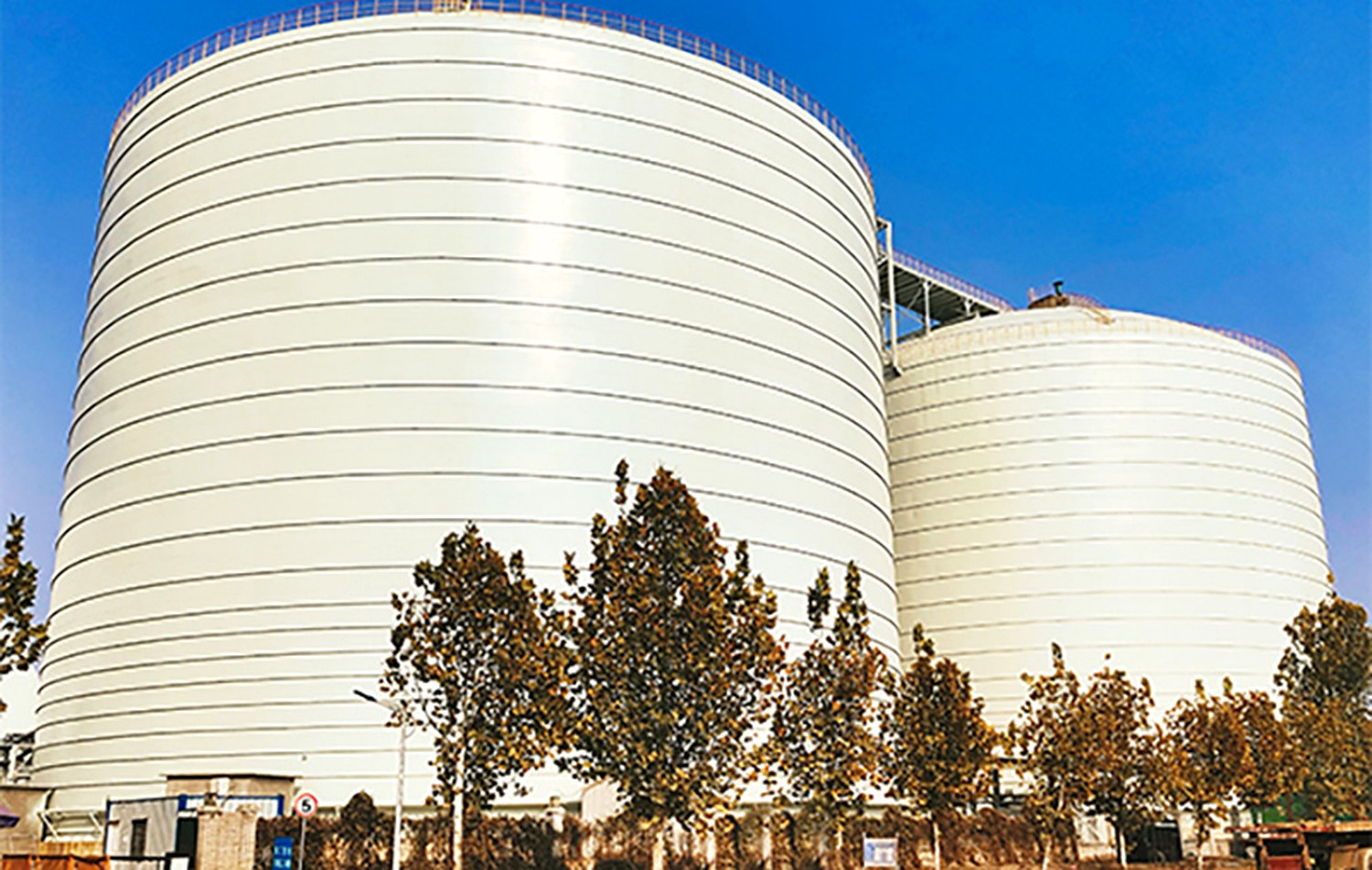
Before comparing technologies, one principle is non-negotiable: you cannot weigh a silo by putting sensors under the material inside it. Bulk solids transmit load to the walls — the classic Janssen effect means wall friction carries an increasing share of the weight as the silo fills, so a sensor at the bottom of the material column senses a shrinking, non-linear fraction of the total. Real weighing therefore happens at the silo’s support structure: load cells or strain gauges installed on the legs, skirt support or support ring, where the entire silo’s weight must physically pass through the measurement point.
Load Cells: The Precision Route
A load cell is a machined element with bonded strain gauges, calibrated at the factory, designed as the actual load path — the silo literally stands on the cells. Characteristics:
Accuracy: the best route to trade-grade accuracy, with system accuracy classes (OIML-style) selectable for commercial custody applications.
Installation: cells plus mounting hardware — rocker pins, anti-lift stops, thermal expansion compensation — must be installed correctly at construction or during a planned support change; retrofit under a full silo is a major project.
The three accuracy killers: rigid piping that steals load (documented cases where connected hardware diverted a large share of weight away from the cells), solar thermal gradients across the structure, and side loads from wind or connected equipment. All three are installation-design problems, not sensor problems.
Strain Gauges: The Retrofit Route
Strain-gauge weighing bonds or clamps sensors onto the existing support structure and infers load from measured strain. No lifting the silo, no breaking the load path, modest cost — the practical route for existing installations and for applications where approximate inventory beats no inventory. The trade-off is accuracy: strain measurement on real structures inherits manufacturing variations in the steel’s cross-section, so field calibration against known weights is essential, and long-term stability depends on the structure staying consistent. For custody transfer and high-value batching, strain systems generally do not reach load-cell class accuracy.
Head to Head
| Criterion | Load cells | Strain gauges (on structure) |
|---|---|---|
| Achievable accuracy | Trade-grade class with good installation | Inventory-grade with field calibration |
| New-build suitability | Excellent — design them in | Possible but leaves accuracy unused |
| Retrofit cost | High (support re-engineering) | Low — bond and calibrate |
| Main enemies | Piping stiffness, thermal gradients, side loads | Structure variability, drift |
| Best role | Custody, batching, high-value powder | Inventory visibility on existing silos |
One further engineering note: even a perfect weighing system benefits from a level layer above it — bridged material can sit at constant weight while flow has already stopped, and radar sees the void forming. Dual-instrument architectures (weighing for stock, radar for alarms) are documented practice with attractive payback in high-throughput powder plants, and pair naturally with the sensor-selection logic in our dust and instrumentation articles and the discharge-side metering covered in our discharge systems guide.
Engineering the Installation: Details That Decide Accuracy
Between a good technology choice and accurate weights stands the installation, and field experience has catalogued exactly which details decide the outcome. Load path purity: everything connected to a weighed silo — pipes, cables in conduit, platforms, guardrails — must be flexible at the silo interface; each rigid connection is a parallel path to ground that steals load from the cells, and documented cases exist where added piping diverted a large share of true weight. Thermal management: a silo face in morning sun expands measurably; installations that read accurately all day either shield the structure from asymmetric heating or compensate for it, and daily cyclical drift in weighed inventory is the signature of an unmanaged thermal issue. Lateral restraint: wind and connected-equipment vibration apply side loads the cells were not built to measure; check rods and guides that let vertical movement pass freely while restraining horizontal displacement are standard practice, and their adjustment is part of commissioning, not decoration. Calibration honesty: known-weight calibration against realistic loads validates the system end to end; assumptions multiplied from datasheets do not. Plants that respect these four details routinely achieve installed accuracy close to the laboratory promise; plants that treat installation as rigging work routinely wonder why their inventory disagrees with production accounting.
Maintenance and Verification: Keeping Weights Honest for Years
A weighing system’s accuracy at commissioning is a starting point, not a property. Field verification practice keeps it honest: periodic known-weight checks — filling to a measured tanker load or batching against a certified scale — validate the system end to end and catch the slow drifts that individual sensor readings hide. Trend analysis does the diagnostic work: weight readings that step-change after plant modifications point to new load paths; daily cyclical patterns point to thermal effects; wind-day scatter points to lateral restraint issues. Hardware maintenance is modest but real: checking mounting hardware for corrosion and free movement, verifying that check rods still allow vertical travel, and protecting cables and junction boxes from the dust environment that surrounds every silo. Regulatory exposure sets the verification cadence where weights feed trade — certified scales carry mandatory inspection intervals — and prudent plants apply similar discipline to internal weights, because inventory numbers that production planning and finance both rely on deserve the same standing as numbers that generate invoices. The plants that weigh reliably for decades treat verification as calendar events, not troubleshooting responses. The final integration habit closes the loop: reconcile weighed inventory against receipts and dispatches monthly, and investigate the residual rather than adjusting it away — the residual is where leaking bins and failing cells each leave their first fingerprint. One more habit completes the discipline: when a weighed figure and a level-derived figure disagree beyond their combined tolerance, believe the weight, investigate the level system, and log the event — the disagreement is either instrumentation drift to fix or a physics lesson about your material’s density, and both are worth having.
FAQ
Can I upgrade accuracy later? Strain-to-load-cell upgrades essentially mean re-supporting the silo — so if trade-grade accuracy is a plausible future need, install load cells at construction. The incremental cost then is small; the retrofit cost later is large.
Why is my weighed inventory drifting day to day with no material movement? Look for the three killers: piping that was added or modified, morning-sun thermal gradients, and wind. Trending the drift against time-of-day usually identifies the culprit.
Do small hoppers need weighing too? Batching hoppers benefit most — weighing a batching hopper is often cheaper and more accurate than instrumenting a large silo, and it puts the measurement where the money actually moves.