

Grain Pre-Cleaning: Why Cleaning Extends Storage Life
The cheapest storage quality intervention happens before the grain ever enters the silo. Cleaning — removing straw, chaff, weed seeds, dust and cracked kernels at intake — is the foundation under every other storage technology: aeration works better, fumigation works better, monitoring reads truer, and spoilage starts later. Yet pre-cleaning is often the first line item cut from a facility budget. This article explains what cleaning actually does inside a stored grain mass, and how to design the cleaning stage.
What Dirty Grain Does Inside a Silo
Foreign material in grain is not inert filler; it is active trouble. Fines and dust concentrate: as grain settles, fine particles sift downward and accumulate in layers and pockets. These fines zones have low air permeability — aeration air bypasses them, so they stay warm and damp. Chaff and straw carry moisture and spores: light trash material often arrives several moisture points wetter than the grain, and its surfaces host the mold spores and insect eggs that later colonize the bulk. Weed seeds and cracked kernels are insect feed: damaged grain is more accessible food for the insects that healthy whole kernels resist. The result is predictable: hot spots form where fines concentrated, aeration cannot reach them, and the operator discovers a spoiled pocket months later. Storage practice worldwide identifies clean receiving as a first principle precisely for this reason.
The Cleaning Equipment Landscape
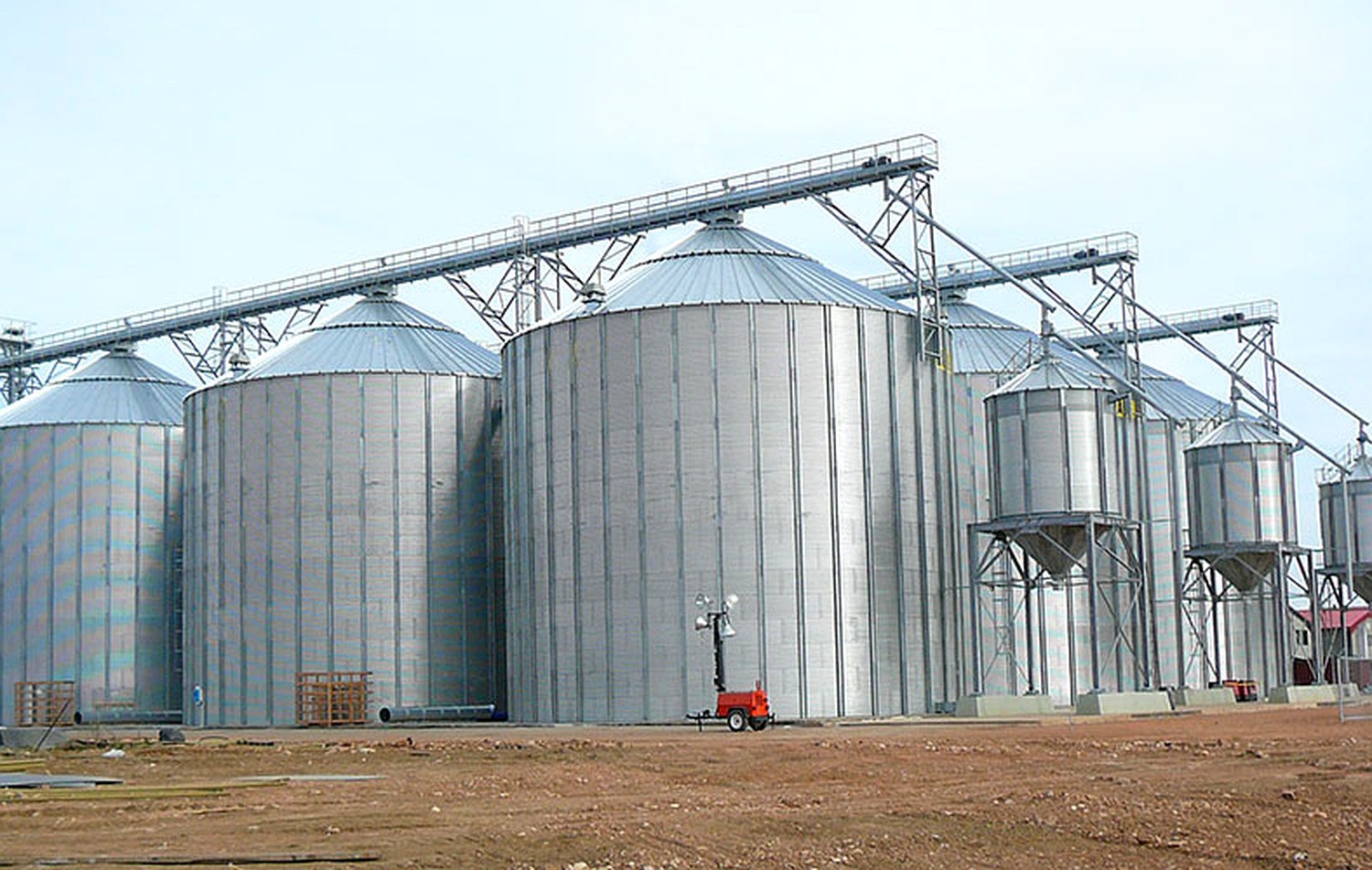
Coarse screening (scalpers): rotating drums or coarse vibrating screens at the intake pit remove stalks, cobs, stones and large debris. This protects downstream equipment and is the minimum standard for any intake.
Sieve cleaning: vibrating or reciprocating screens with selected aperture sizes separate grain from smaller fines and larger trash. Adjustable for crop type, these are the workhorse of intake cleaning.
Aspiration (air separation): a counterflow air stream lifts dust, chaff and light grains from the moving stream. Aspiration removes exactly the fraction that causes the most storage trouble — the light, moist, spore-carrying material — and simultaneously recovers the dust that would otherwise load the facility’s dust collection.
Magnetic separation: tramp metal removal protects machinery ahead of processing and any metal-detection-sensitive downstream use.
Where Cleaning Sits in the Flow
The standard layout: pit → bucket elevator → cleaner (with aspiration) → second elevation or distribution → silo. Cleaning after the first lift, before storage, means every ton entering the silos has already shed its worst moisture and spore carriers. Two layout disciplines matter: give the cleaner surge capacity on both sides so truck-unloading bursts don’t force operators to bypass it (the bypass lever is how “we have a cleaner” silently becomes “we store dirty grain” every busy harvest day), and route the aspiration’s captured light fraction to a controlled collection — it has some feed value but should never rejoin the storage stream.
The Measurable Storage Benefits
Clean grain stores longer because every downstream system works better on it:
Aeration: uniform, permeable grain mass means cooling and equalization fronts actually reach the whole bulk — the fines problem described for porous grains like paddy in our paddy storage article applies to every crop’s fines fraction.
Fumigation: even gas distribution through a clean, uniform mass; fewer sheltered microhabitats for insects to survive under-dosed treatment of the kind discussed in our fumigation guide.
Monitoring: temperature cables read a homogeneous bulk; fines pockets are exactly where sensors and reality diverge.
Turnover: clean grain flows evenly at discharge; trashy grain interlocks and bridges.
Sizing and Selecting for Real Conditions
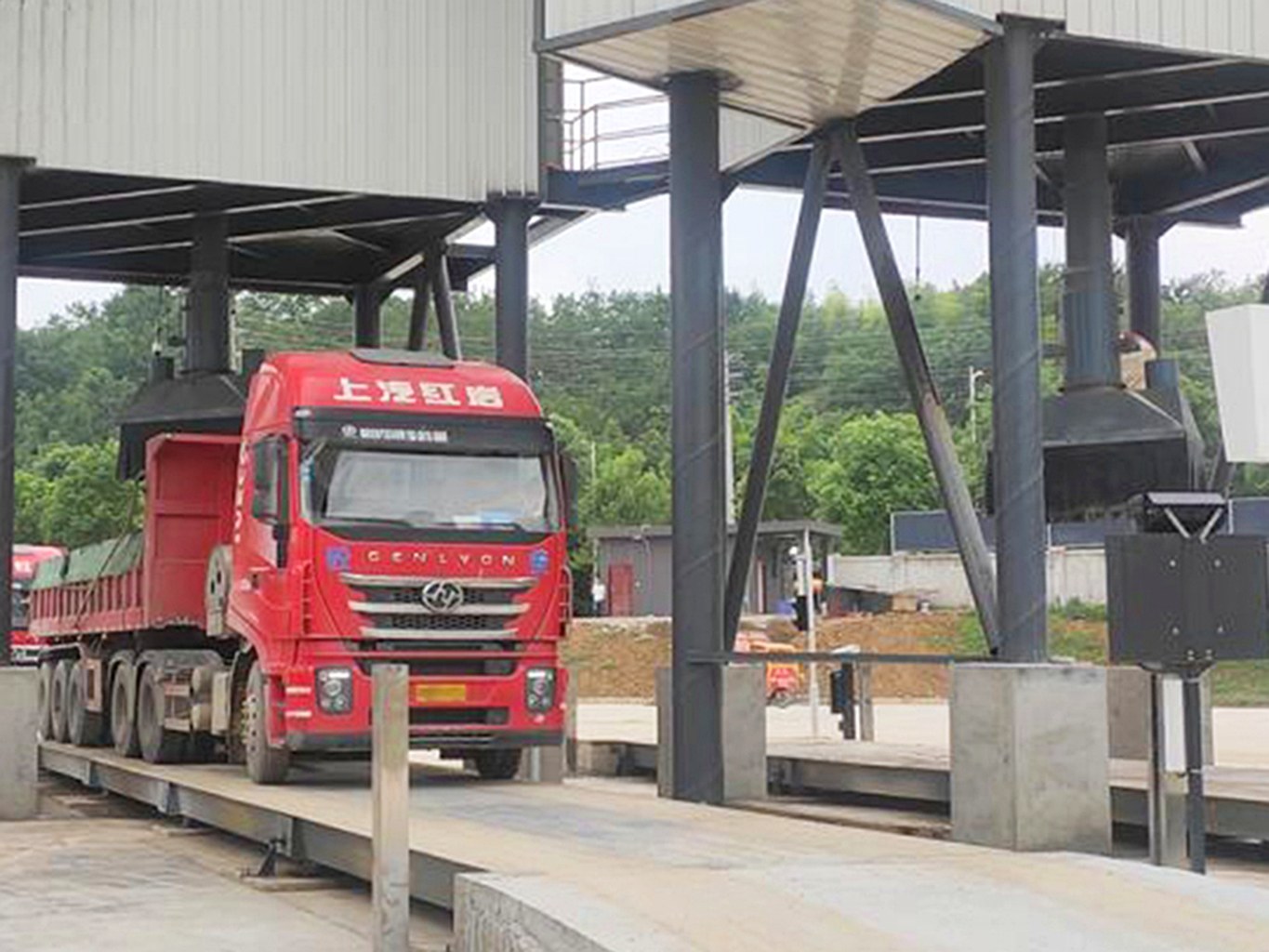
Cleaner capacity must match the intake system’s peak, not average — the same sizing honesty that governs bucket elevators. Key selection variables: the crops to be handled (aperture and aspiration settings change between wheat, corn, paddy and soybeans), the trash load of the region’s harvest practice, and the moisture range of intake. Facilities in humid regions or handling varieties prone to cracked kernels should weight aspiration more heavily, since light wet fraction is their dominant risk. And cleaning equipment itself needs maintenance access and dust control — an open vibrating screen without containment converts a storage problem into an air-quality one.
Beyond Intake: Cleaning’s Role Through the Storage Season
Pre-cleaning earns its reputation at intake, but the cleaning mindset extends across the storage cycle. Before filling, empty silos get a thorough cleanout — residual grain from the previous crop is the primary insect reservoir that reinfests each new season, and a swept, inspected bin starts the year at zero instead of inheriting last year’s population. During storage, discharge operations should periodically draw down fully where the design allows, because fines that sifted downward during filling concentrate at the silo bottom — a scheduled complete draw removes the exact fraction where hot spots incubate. At turnover, the post-empty cleanout repeats the discipline. And around the facility, spilled grain and dust accumulation at the pit, elevator boot and conveyor covers feed insect populations that re-enter the silos with every transfer; facility hygiene is cleaning’s outdoor extension. Together these practices close the loop: grain enters clean, stays in a clean environment, and leaves clean — and every aeration hour, fumigation treatment and temperature reading works on material that was set up to succeed rather than sabotaged at the first step.
The economics compound quietly: mills and depots that institutionalize this cycle report season after season without spoilage events, while their incident reviews of neighbors’ problems keep tracing losses back to the day dirty grain went in.
Selecting and Sizing Cleaning Equipment: Practical Guidance
Turning the cleaning principle into installed hardware follows a compact decision path. First, define the duty: trash load and crop mix set the machine class — a region harvesting at high trash content justifies a drum scalper plus aspiration before any finer sieving, while clean-harvest areas may need aspiration only. Second, match capacity to the intake system with real margin: the cleaner must handle the pit’s peak delivery, and surge bins on either side absorb truck-unloading bursts that would otherwise tempt operators onto the bypass lever. Third, choose the separation stages for the actual contaminant spectrum: coarse screening for stalks and cobs, sieve sections for fines and broken kernels, aspiration for dust and light trash, magnets for tramp metal — each stage targets a fraction the others miss. Fourth, plan the reject streams: collected trash needs a contained route to disposal or by-product sale, and aspiration air needs its own dust handling, or the cleaning stage simply relocates the dust problem from the silo to the yard. Fifth, specify access and adjustability: aperture changes between crops, and wear parts on screens and drums are maintenance items — machines designed for tool-free access get maintained, machines requiring dismantling get bypassed. Facilities that follow this path end with cleaning that runs during every busy hour, which is the only measure of a cleaning system that matters.
FAQ
Does cleaning reduce the weight I store and sell? It removes material that was never really sellable grain — trash that would have caused spoilage discounts, plus a light fraction with feed value if sold separately. Honest accounting favors cleaning.
Can cleaning replace drying? No. Cleaning removes moisture carriers and spore sources; drying sets the grain’s own moisture. Together they form the intake discipline; neither substitutes for the other.
Is pre-cleaning worth it for farm-scale storage? Yes — a simple drum scalper plus aspiration at the intake pit is among the highest-return investments a farm storage system can make, protecting every ton downstream of it.